- TL;DR
- The Critical Moments That Shape Content Performance
- Why Editorial Analytics Tools Fail in Real Time
- What an Intelligence Layer Actually Does for Editorial Analytics
- How TWIPLA Is Building the Real-Time Analytics Intelligence Layer for Newsrooms
- Embedded CMS Analytics
- Pages Cockpit
- Content and Metadata Analytics
- Trend Intelligence and Content Generation
- What This Editorial Analytics Shift Changes for Publishers
- Build the Future Newsroom Around Connected, Real-Time Analytics

Building the Intelligence Layer for Modern Newsrooms With Real-Time Analytics
TL;DR
Modern publishers need more than standalone real-time analytics reports. TWIPLA is building a connected intelligence layer that combines live traffic, visitor behavior, content context, page-level insights, and trend intelligence directly inside editorial workflows. The result is faster, more informed editorial decisions while stories are still gaining momentum, delivered at a fraction of the cost of Chartbeat and Parse.ly.
The Problem Facing Editorial Analytics
Real-time analytics now sits at the center of modern newsroom operations.
Editors and publishers cannot wait for reports anymore. They need to understand performance from the moment a page goes live, and how traffic and behavior influence engagement and revenue.
But seeing things in real time is only part of the picture.
Many teams still work with editorial analytics that only provides fragmented or incomplete insights. This makes it hard to trust what you’re seeing while stories are still unfolding. And even when the data is live, it only shows what’s happening and not what to do next.
That is where the real gap exists.
Not between delayed and real-time data, but between siloed newsroom analytics tools and the connected intelligence layer modern publishers now need.
The evolution is already underway. Real-time analytics is moving closer to the editorial workflow, closer to the page, and closer to the decisions that shape performance in the moment.
Today, newsrooms want a single tool that brings together live signals, behavior, content context, and page-level insight to guide decisions as they happen.
- Subscribe to the Newsletter
Stay ahead of what’s working in marketing. Get practical insights, new TWIPLA use cases, and product updates to your inbox once a month.
Build Your Newsroom Around Connected Analytics
Turn real-time analytics into complete editorial decision support with TWIPLA
Connect live traffic signals, visitor behavior, and content insights in one intelligence layer so your team can act while attention is still building. No credit card required.
The Critical Moments That Shape Content Performance
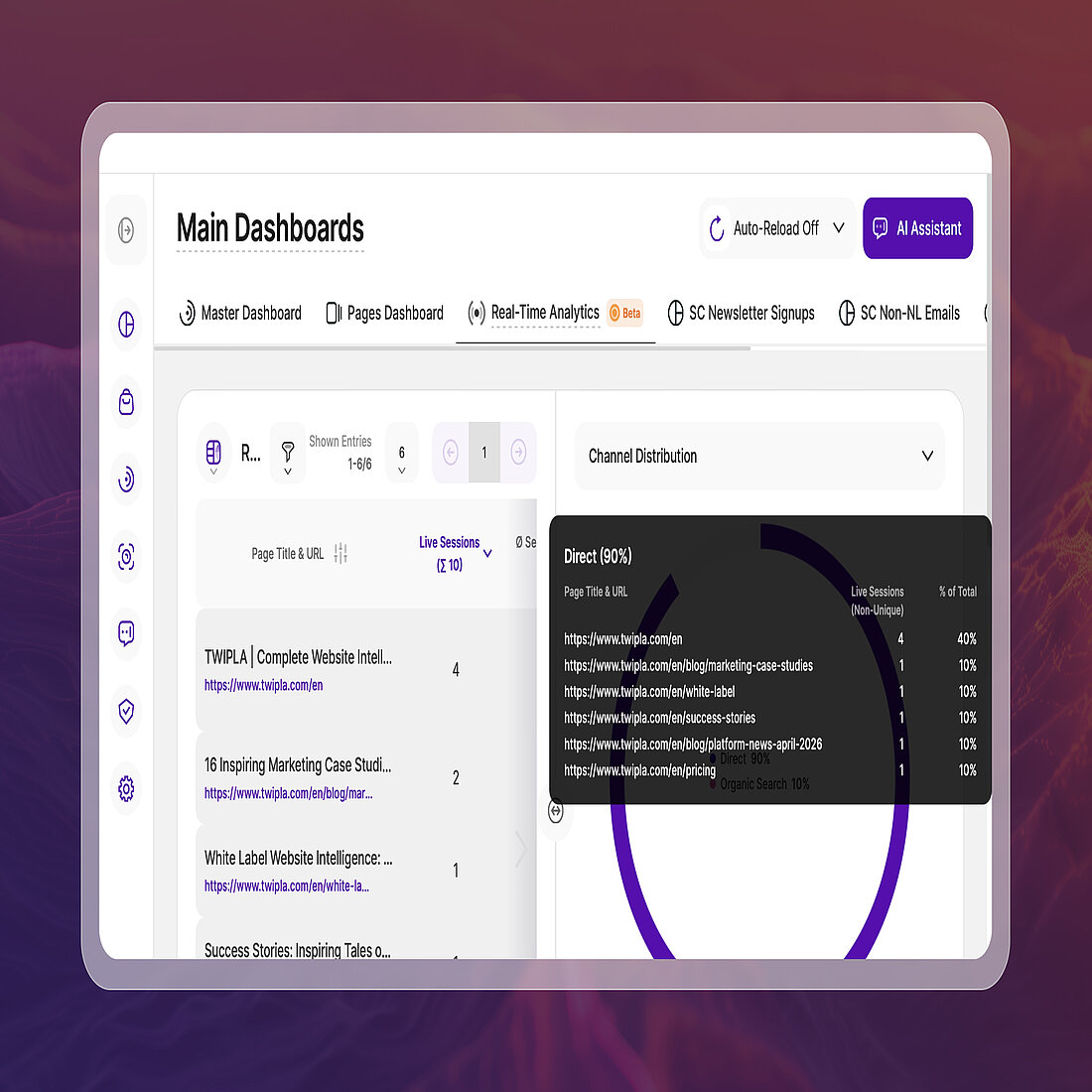
It's true that the most important moments for stories do not happen gradually. They happen fast.
Traffic patterns and attribution no longer stay steady or predictable. Visitors arrive in bursts, triggered by search, social feeds, and increasingly also by algorithmic changes that can redirect attention in seconds.
In some cases, a page can go from unnoticed to highly visible within minutes.
This creates a short window where attention, engagement, and revenue all peak together, making it the moment that dictates performance.
In a modern newsroom, this shouldn’t become a passive moment. If a story shows early signs of traction or virality, editors can potentially amplify it further. But if they miss it, momentum fades just as quickly as it appears.
Editors must respond quickly. Headlines need refinement. Page elements repositioned. And follow-up coverage prepared to tap into engagement while attention is still building.
These moments are as short as they are unforgiving.
By the time teams review performance later, the outcome is usually decided and the opportunity to influence results has passed.
Why Editorial Analytics Tools Fail in Real Time
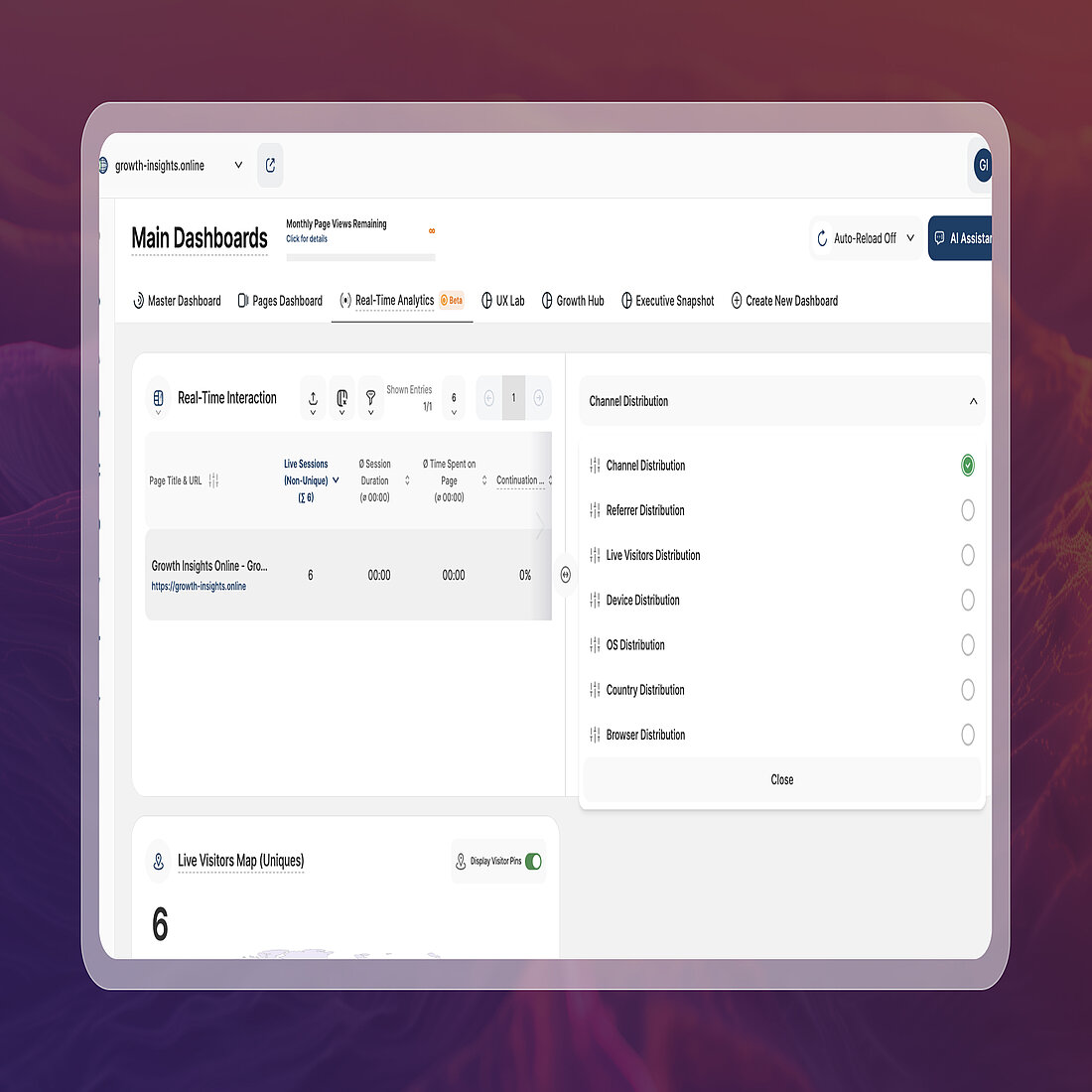
These are the moments editorial analytics tools like Chartbeat and Parse.ly fail because they only explain outcomes after they solidify.
It makes them a poor guide to real-time optimization and a clear mismatch follows. While editorial teams are expected to track stories as they gain traction and respond quickly, the analytics tools they rely on analyze performance after the event.
That problem becomes obvious during live traffic spikes. As a result, data may appear live. However, refresh cycles, caching, or aggregation can still delay updates behind the scenes.
Data quality adds another layer of uncertainty.
A significant share of activity can come from automated sources, including bots, AI crawlers, and scrapers. Without proper filtering, these sources inflate traffic and distort performance signals, making it harder to trust what you’re seeing.
Signals also remain fragmented, and hesitation follows at the exact moment speed matters most.
One tool might show traffic, another might cover UX friction tracking and customer journey analytics. A different platform handles page-level insights. Meanwhile, editorial teams make decisions inside the CMS, disconnected from all of it.
So instead of supporting fast decisions, analytics introduces friction.
The insight arrives too late, lacks context, or sits too far away from where teams make decisions.
Real-time visibility can also create new uncertainty. Traffic, engagement, and continuation signals do not always move in the same direction, making it harder to identify what actually deserves action.
As a result, teams receive guidance too late to make a difference.
What an Intelligence Layer Actually Does for Editorial Analytics
Once timing is solved, the focus switches as teams start asking what to do next.
What’s needed here is an intelligence layer that connects traffic with engagement, behavior, and content context in one view.
This level of insight becomes especially powerful at page level, where teams can spot patterns more easily and make data-driven decisions faster.
High-performing teams already work this way, treating each article as its own unit, where traffic, interactions, and momentum are evaluated together rather than in isolation.
That view brings full performance into one place, with insights into how visitors engage, where they come from, what they do next, and whether the page builds or loses momentum.
An editor might see high traffic from social but low continuation, suggesting the headline pulls clicks but does not deliver. Another article might attract lower traffic but generate strong engagement, making it a better candidate for promotion.
This level of holistic editorial analytics removes guesswork. Since these insights sit directly inside the editorial workflow, teams can make decisions during the content creation process rather than afterward.
When everything ties back to the page itself, teams no longer need to piece together insights across tools. Furthermore, when those signals connect to the wider content operations and content creation process, they stop being isolated metrics and start becoming real decision support.
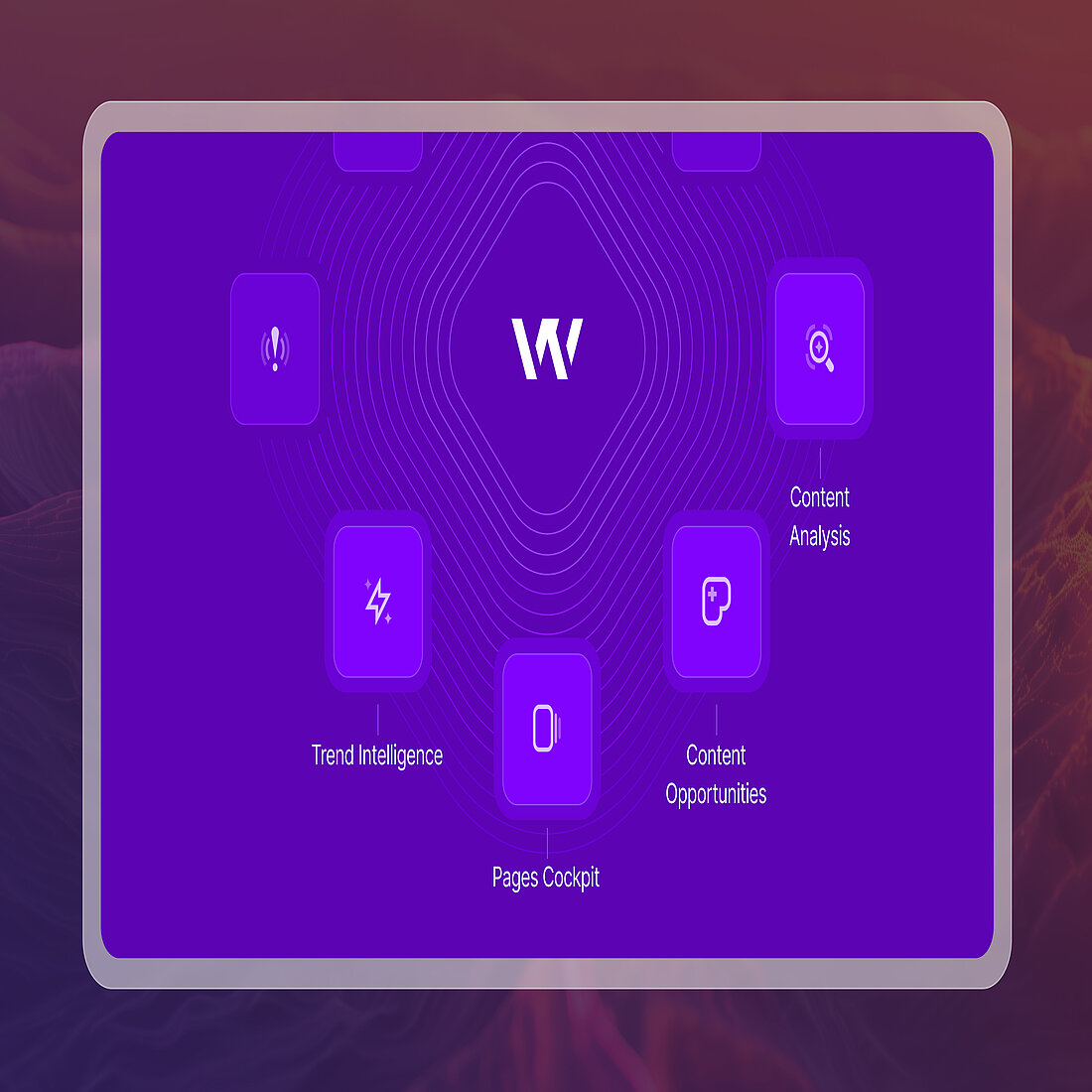
How TWIPLA Is Building the Real-Time Analytics Intelligence Layer for Newsrooms
This is exactly where TWIPLA is heading.
Today, publishers, enterprises, agencies, and websites of every size already use TWIPLA’s interconnected toolkit to track performance, understand visitor behavior, and uncover where content succeeds or falls short. Cookieless and consentless tracking supports 100% traffic capture, and teams can configure it to run without needing a cookie banner.
A new Real-Time Analytics Dashboard builds on that foundation, and the intelligence layer also sharpens that direction around page-level performance and decision-making.
Signals such as live visitor activity, behavior, and audience loyalty patterns, including TWIPLA's Loyal Visitors metric, help publishers understand not only what gains attention, but also whether readers return and build long-term engagement.
Together, these connected signals create a more complete picture of content performance and help publishers move beyond isolated metrics toward a system that supports faster, more informed decisions.
This brings insight closer to the moment teams make decisions and creates a more connected, action-focused experience.
These tools are under development and on TWIPLA’s upcoming roadmap.
Embedded CMS Analytics
Insight Where Content Is Created
Firstly, analytics delivers the most value when it appears where teams create content.
TWIPLA brings performance signals directly into the CMS, embedding insight into the editing environment. Editors can see how content performs while working on a page, not just after it goes live.
Key engagement signals appear directly on the content itself, from clicks to interaction hotspots, giving editors immediate feedback on what draws attention and what visitors ignore.
Headlines, structure, and placement decisions no longer rely on instinct alone. Real data supports those decisions in the same place teams make them.
This closes the gap between publishing and performance.
Pages Cockpit
A Command Center for Every Page
Next, the Pages Cockpit brings everything about a single URL into one place.
From traffic and engagement to conversions, errors, and visitor behavior, every key signal sits side by side in a single view. Teams no longer need to jump between reports or piece information together manually.
Each module adds a layer of understanding. Performance trends, heatmaps, session recordings, conversion funnels, and also error tracking all contribute to a clearer picture of what actually happens on the page.
When teams need more detail, they can expand any view and move from a quick overview to deeper analysis without leaving the page.
Everything needed to understand and act on performance lives here.
Content and Metadata Analytics
Understanding Performance Across Content
Thirdly, looking at individual pages only tells part of the story.
TWIPLA extends that view across the full content structure. Teams can break down performance by authors, tags, categories, sections, blocks, and even embedded elements like videos.
Each layer shows how content contributes to results. Not just in isolation, but through its connections with other pages and its impact on engagement, conversions, and follow-on activity.
This makes it easier to spot what actually works:
- Authors driving attention
- Topics gaining or losing traction
- Content structures holding or losing attention
When something shifts, teams can dig deeper. Filtering and segmentation help uncover what is rising, what is slipping, and where teams need to act.
You get more than additional data. You get a clearer view of how content performs as a system.
Trend Intelligence and Content Generation
From Insight to Direction
Finally, understanding performance only gets you so far. The real challenge is deciding what to do next.
This is where Trend Intelligence and Content Generation come in.
Instead of only reporting what is already happening, the system identifies emerging topics across your own domain, the broader TWIPLA network, and external search sources like Google Trends. Growing interest, content gaps, and high-potential opportunities become visible before demand fully peaks.
It also takes analytics from guidance to execution, already mapping out the next step - whether that means expanding existing content, refining underperforming pages, or creating something entirely new.
Selected opportunities can be turned into complete content automatically. Entire articles, including titles, structure, written content, and optimization recommendations, can be generated around a chosen topic and sent directly into publishing workflows or connected CMS environments.
The result is a shift away from reactive analysis toward faster, forward-looking decisions with a direct path from data to execution.
What This Editorial Analytics Shift Changes for Publishers

This shift turns analytics into something far more useful.
Teams spend less time interpreting data and more time acting on it. Decisions become faster, more consistent, and better aligned with real audience behavior.
Over time, that creates a more responsive newsroom, where content is shaped while attention is still building, not after the moment has passed.
It also changes where analytics lives.
Insight moves closer to the page, closer to the editor, and closer to the content operation itself.
Performance no longer needs to be reconstructed across siloed tools. It can be understood in context, while a story is still active and while the next decision can still improve the result.
The impact is measurable.
Publishers using real-time data to optimize yield and placement have reported revenue increases in the range of 8% to 21% (Ozone Project).
Faster insight leads to better timing. Better timing leads to better outcomes.
And that is what the intelligence layer delivers when traffic, behavior, content context, and editorial action are finally connected in real time.
Build Your Newsroom Around Connected Analytics
Turn real-time analytics into complete editorial decision support with TWIPLA
Connect live traffic signals, visitor behavior, and content insights in one intelligence layer so your team can act while attention is still building. No credit card required.
Build the Future Newsroom Around Connected, Real-Time Analytics
Real-time analytics no longer only shows activity as it happens. The next step connects those signals with behavior, content context, and actionable guidance while there is still time to influence outcomes.
TWIPLA is building that connected intelligence layer for modern publishers, bringing insights closer to the page, the editor, and the decisions that shape performance.
- Sign up free
Test TWIPLA's free forever plan and explore the depth of insight available. - Book a Demo
Speak with our integrations consultant to understand exactly how TWIPLA can help your business.
Explore how it works in practice and discover what a more connected newsroom can look like.
Share article


Get Started for Free
Gain World-Class Insights & Offer Innovative Privacy & Security

You might also like



 18 April 2023 - by Simon Coulthard