Built for privacy
Privacy-compliant analytics, wherever your visitors are
Built for the GDPR and ePrivacy, two of the world’s strictest privacy laws, with advice from Reed Smith Munich. No cookie banner needed by default. Choose a law to see what it requires and how TWIPLA helps you meet it.
How it works
Every privacy law asks the same questions
What do you store, where is it kept, who can reach it, and can it identify anyone? Maximum Privacy Mode, our default, answers all four with no cookie banner needed:
- Stored: no cookies, nothing on the device and no IP addresses. Only a one-way visitor hash is kept.
- Kept: in Hetzner’s data center in Germany, delivered through European providers outside the reach of the US CLOUD Act.
- Protected: ISO 27001 certified, with an independent audit every year, and every subprocessor named in our Data Processing Agreement.
- Identifiable: no fingerprinting and no visitor profiles, just trends across your whole audience.
What laws protect your visitors?




Before you decide
Everything your DPO will ask for
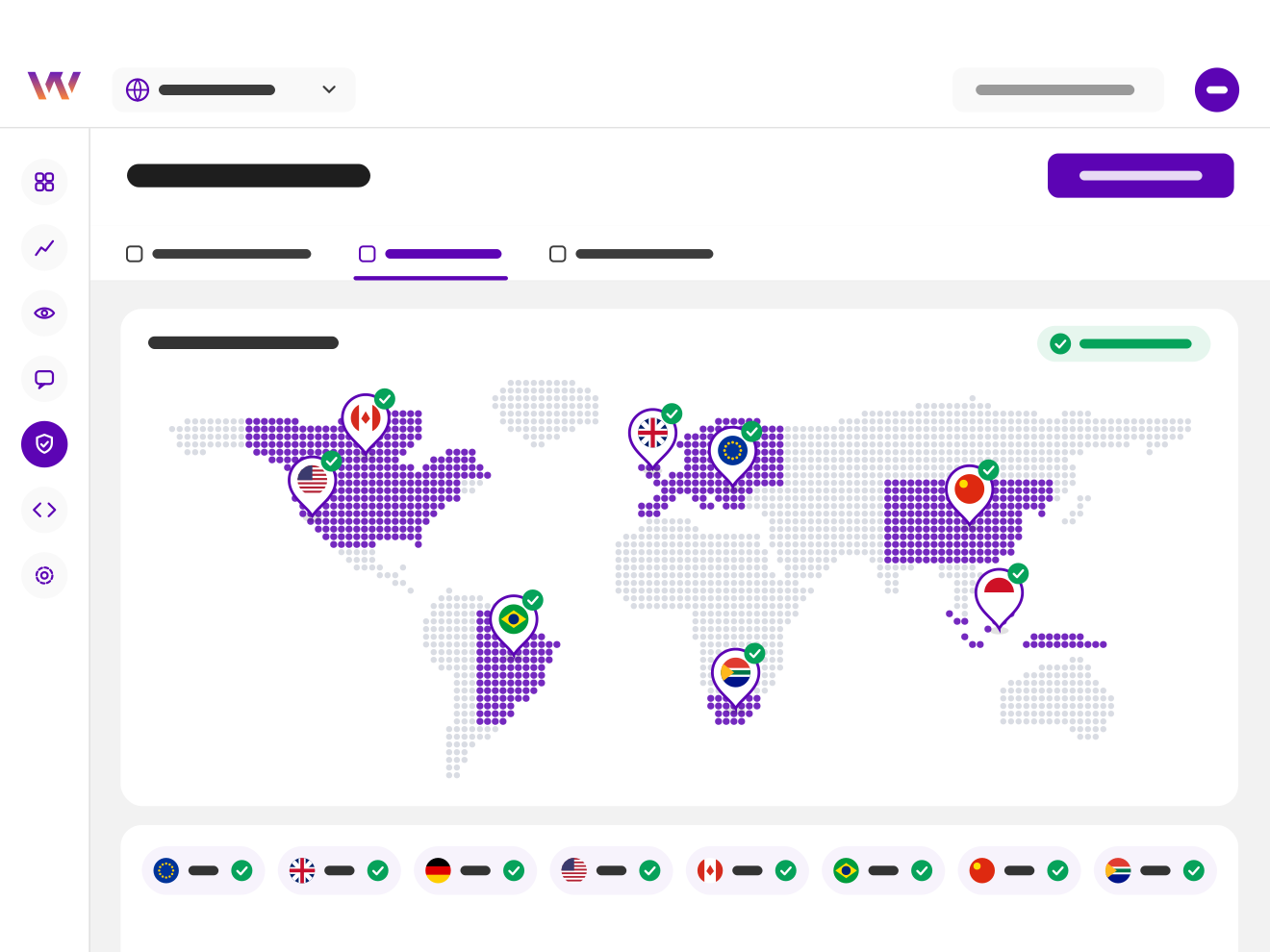
A privacy mode for every country
Choose the privacy mode for each visitor country yourself, from Maximum Privacy to Light.
Explore the Privacy Center
The legal case, ready to forward
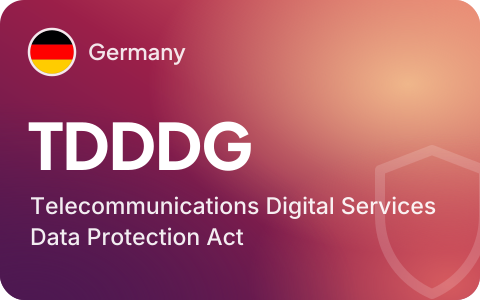
Why Maximum Privacy Mode needs no consent under GDPR, ePrivacy and § 25 TDDDG.
Read the legal case
Our Data Processing Agreement
The agreement every customer signs, as a PDF in English or German, subprocessors included.
Read the agreement
What to put in your privacy policy
Ready-to-use wording for describing TWIPLA in your privacy policy.
Get the wording
TUM dropped its cookie banner, not its data
How a leading German university now analyzes 400% more visits, fully GDPR compliant.
Read the TUM story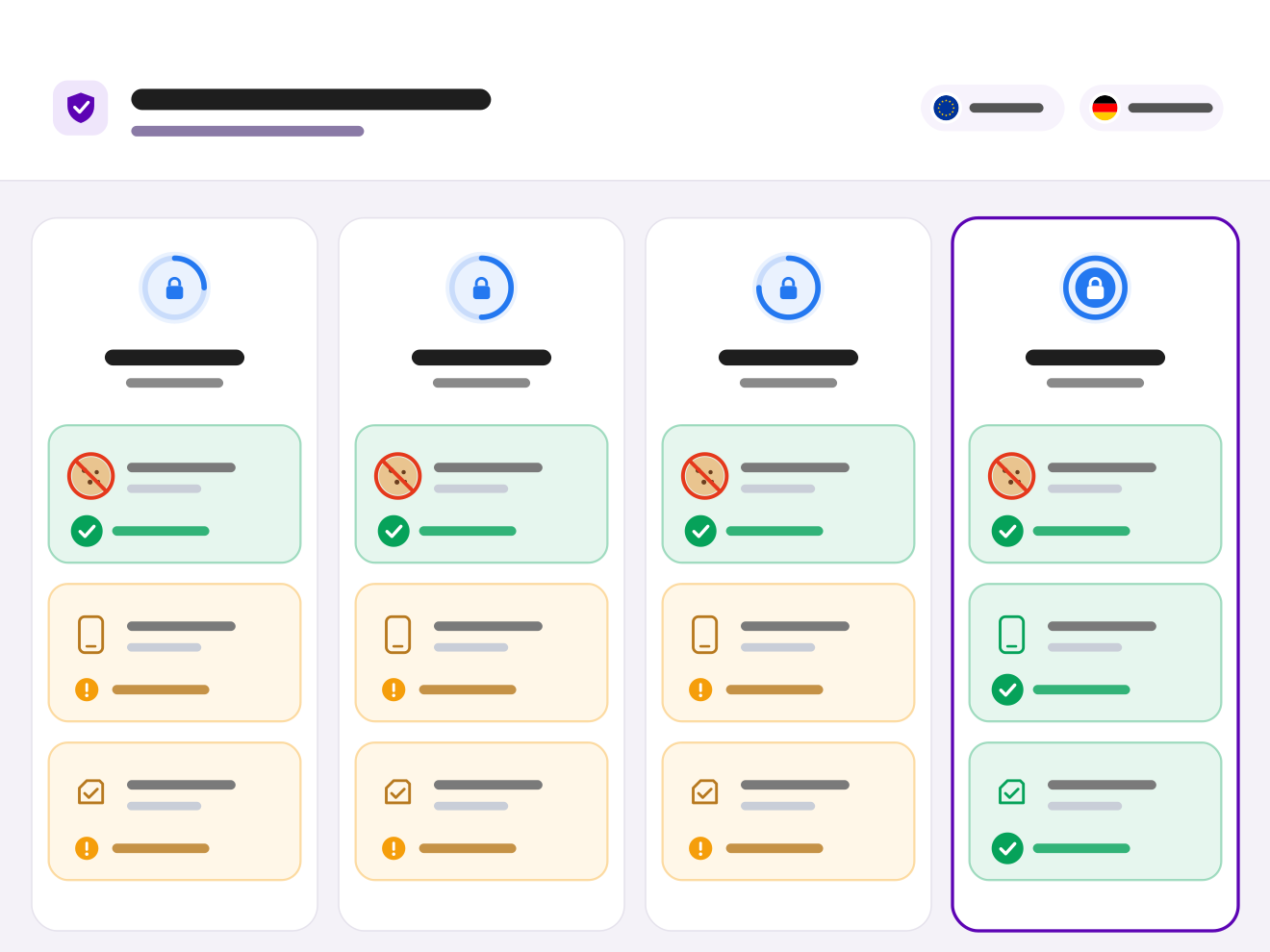
GDPR & ePrivacy statement
How each TWIPLA privacy mode handles cookies, device access and consent.
Read the statementFAQs
Not in Maximum Privacy Mode. It sets no cookies and reads nothing already stored on the visitor’s device, so the ePrivacy consent rules on device access don’t apply. TWIPLA’s three other privacy modes collect more detail and usually do need consent.
Yes. In Maximum Privacy Mode, the default, the legal basis is legitimate interest under Art. 6(1)(f) GDPR, so you don’t need visitor consent. GDPR Privacy Mode also meets the GDPR, but it uses fingerprinting, so it usually requires consent. In both modes, sign our Data Processing Agreement and list TWIPLA in your privacy policy.
At Hetzner’s data center in Falkenstein, Germany, on an analytics cluster we built and maintain ourselves. Location lookups also run locally, with no external services involved.
It creates a one-way SHA-256 hash from the visitor’s IP address and browser details. Only that hash is stored, never the IP address. Unique visitor numbers are therefore approximate: visitors sharing an IP address and browser count as one.
Yes, including in Maximum Privacy Mode. Form inputs are masked in recordings, and mouse movements aren’t information already stored on the device, so no consent is required for them.
In Maximum Privacy Mode, you don’t need a banner, but you’re still the controller. Sign our Data Processing Agreement, describe TWIPLA in your privacy policy and add it to your record of processing activities with a short legitimate-interest assessment. You can also offer visitors an opt-out. The full checklist is on our consentless analytics page.
Legal disclaimer
Helpful guidance, not legal advice
This page and the linked law pages explain privacy law in general terms. Laws change, and how they apply depends on your business, your visitors and how you configure TWIPLA.
Unless another mode is named, statements about compliance refer to Maximum Privacy Mode, our default setting. For advice on your situation, please consult a qualified legal professional.
Questions about how TWIPLA fits a specific law? Email our team at consentless@twipla.com.